What Insurance Coverages Does a Pilot Car Need? A Complete Guide
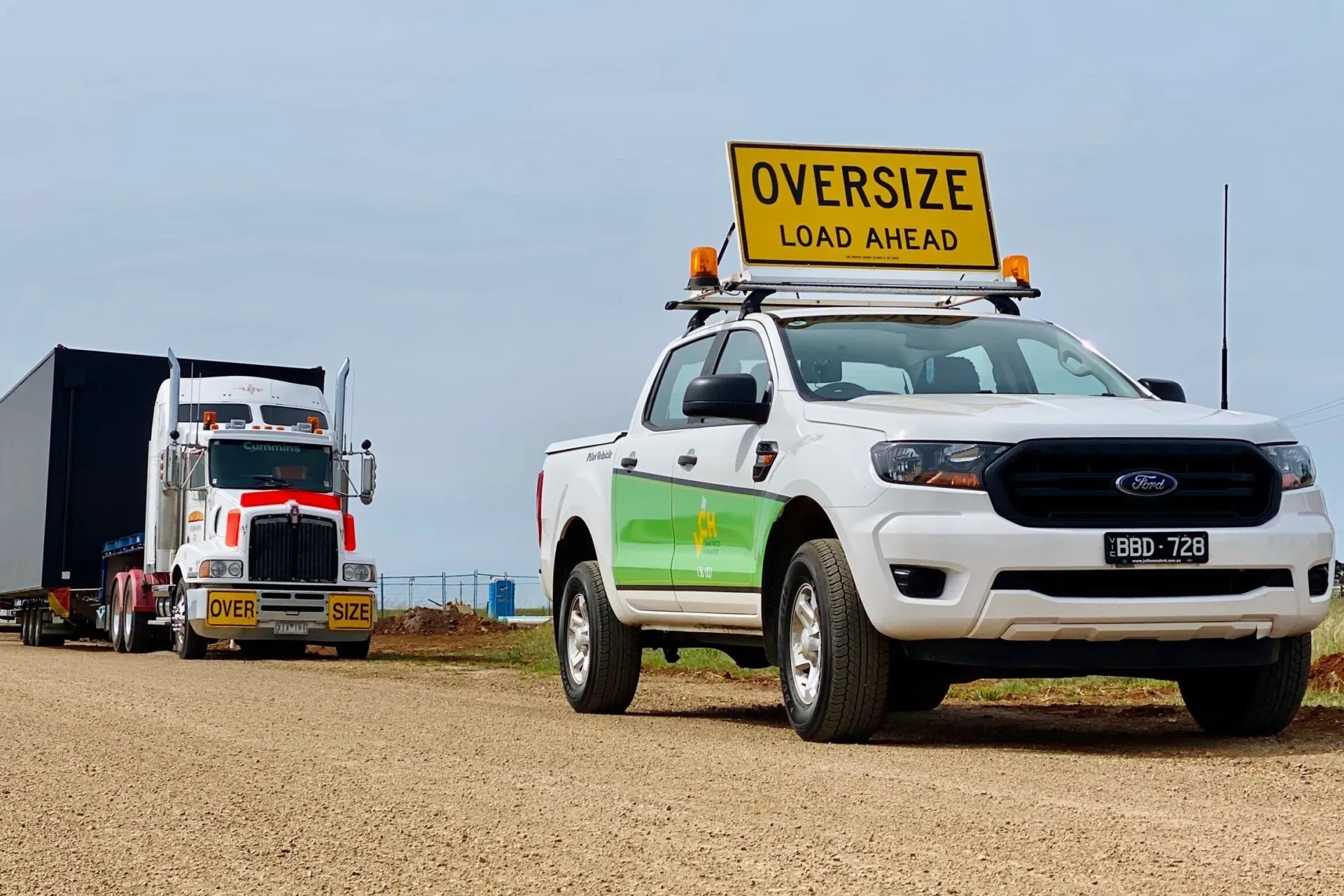
Pilot cars (also known as escort vehicles) are a critical part of oversize and overweight hauling. They help manage traffic, communicate hazards, assist with routing, and reduce the risk of accidents involving wide or heavy loads. Because of this role, pilot car operators face unique liability exposures that standard auto insurance does not adequately address.
Below is a clear breakdown of the core insurance coverages pilot cars typically need, why each one matters, and when it’s commonly required.
1. Auto Liability (AL) — Mandatory for All Pilot Cars
Auto Liability is the foundation of pilot car insurance and is non-negotiable.
What it covers:
-
Bodily injury to others
-
Property damage caused by the pilot car
-
Accidents while escorting oversize or overweight loads
-
Traffic incidents related to pilot car maneuvers
Pilot cars often:
-
Stop traffic
-
Drive at reduced speeds
-
Position themselves in unusual traffic patterns
These actions significantly increase exposure to auto-related claims.
Typical required limits:
-
$1,000,000 Combined Single Limit (CSL)
(Some carriers or projects may require higher limits.)
Most trucking companies will not allow a pilot car to operate without proof of adequate auto liability coverage.
2. General Liability (GL) — Covers Non-Driving Exposures
General Liability protects against claims that occur outside of operating the vehicle.
What it covers:
-
Slip-and-fall injuries
-
Property damage while outside the vehicle
-
Injuries caused by cones, signs, or equipment
-
Traffic control activities not directly tied to driving
Why it’s important:
Auto liability may deny claims that occur when the pilot car operator exits the vehicle or performs manual traffic control.
Common limits:
-
$1,000,000 per occurrence
-
$2,000,000 aggregate
Many motor carriers require general liability coverage before assigning escort work.
3. Errors & Omissions (E&O) — Professional Liability
Errors & Omissions (also known as Professional Liability) is increasingly required for pilot cars.
What it covers:
-
Financial losses caused by professional mistakes
-
Incorrect routing or clearance guidance
-
Failure to follow permit instructions
-
Miscommunication with drivers or other escort vehicles
Example:
If a pilot car incorrectly signals clearance and a load strikes a bridge, utility line, or structure, an E&O claim may arise.
Typical limits:
-
$1,000,000 per claim / aggregate
Many oversize-load carriers and brokers now require E&O coverage as a condition of work.
4. Physical Damage — Protects the Pilot Vehicle
Physical Damage coverage protects the pilot car itself.
Includes:
-
Collision (accidents)
-
Comprehensive (fire, theft, vandalism, weather, animal strikes)
Pilot cars log high mileage and operate close to large loads, increasing the likelihood of vehicle damage.
While optional, this coverage is strongly recommended to avoid large out-of-pocket repair costs.
5. Inland Marine / Equipment Coverage — Frequently Overlooked
Standard auto and general liability policies often exclude or limit coverage for specialized pilot car equipment.
Typically covered equipment:
-
Height poles
-
CB and two-way radios
-
Amber lights and arrow boards
-
Stop/slow paddles
-
Cones and signage
-
GPS and communication devices
Inland marine coverage protects this equipment if it’s damaged, stolen, or destroyed while in transit or in use.
6. Workers’ Compensation (If Applicable)
Workers’ Compensation may be required if the pilot car operation has:
-
Employees
-
Helpers or spotters
-
State-specific requirements regardless of company size
Some states require workers’ compensation even for single-operator businesses, so this should always be verified.
Common Pilot Car Insurance Requirements (Quick Reference)
|
Coverage
|
Typical Limit
|
|---|---|
|
Auto Liability
|
$1,000,000 CSL
|
|
General Liability
|
$1M / $2M
|
|
Errors & Omissions
|
$1,000,000
|
|
Physical Damage
|
Optional
|
|
Inland Marine / Equipment
|
Based on equipment value
|
|
Workers’ Compensation
|
If required
|
Common Insurance Mistakes Pilot Cars Make
-
Relying on personal auto insurance
-
Carrying auto liability only
-
Skipping Errors & Omissions coverage
-
Not insuring specialized equipment
-
Assuming escort work is “low risk”
These mistakes can lead to uncovered claims, contract issues, and lost work opportunities.
Final Thoughts
Pilot cars play a vital safety role in oversize and overweight transportation — but that role comes with significant liability exposure. Proper insurance protects:
-
The pilot car operator
-
The motor carrier
-
The project owner
-
The public
A well-insured pilot car operation is more professional, easier to work with, and far less likely to face coverage gaps when something goes wrong.